Environmental
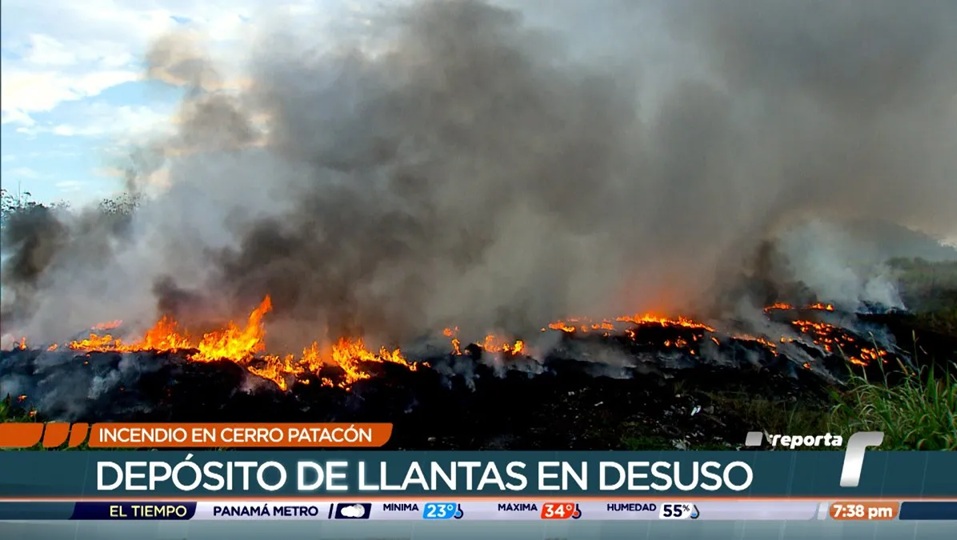
Repurposing tire rubber helps reduce dumping and burning—two common paths that pollute soil, air, and water.
- Less tire waste in landfills
- Lower pollution risk from burning
- Longer material life through reuse
IMPACT
EcoSlides repurposes discarded tire rubber into durable slides—supporting a circular mindset, local craftsmanship, and more responsible consumption.
IMPACT PILLARS
Environmental, social, and circular economy benefits—built into the product.
Repurposing tire rubber helps reduce dumping and burning—two common paths that pollute soil, air, and water.
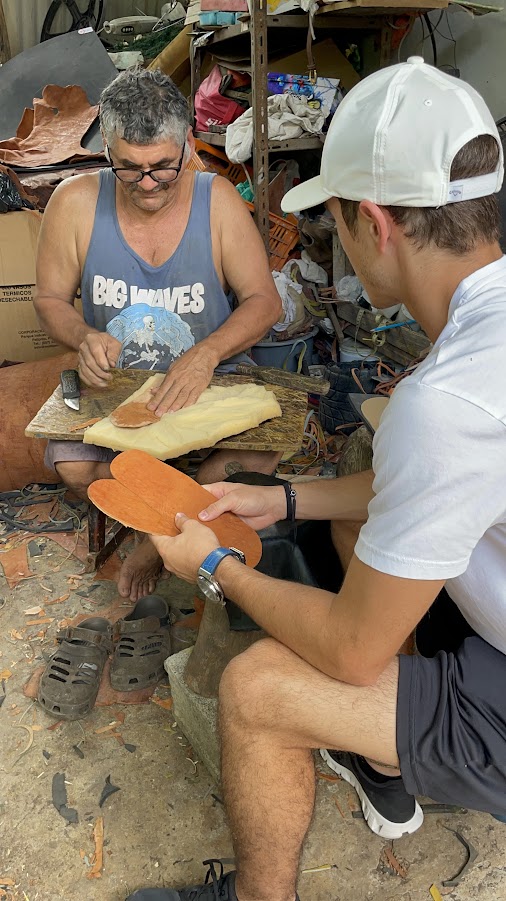
Simple production and local craftsmanship can create opportunities and promote practical skill-based work.
We keep valuable material in use by turning waste into a durable product designed for everyday wear.
MEASUREMENT
EcoSlides measures impact through clear, realistic indicators aligned with local environmental and production contexts in Panama and Latin America. All metrics are designed to be verifiable, scalable, and appropriate for early-stage prototypes.
Tires repurposed
1-50 tires
In Panama and many LATAM countries, end-of-life tires are frequently burned or improperly disposed of.
Tracking method:
Target: Increase progressively as prototype validation advances.
Rubber Diverted from Waste
Baseline to be measured (kg)
Estimated total weight of tire rubber reused instead of being burned or sent to landfills.
Measurement approach:
Target: Establish first verified value after weighing initial prototypes.
Product Durability
Wear tests cycle
Tracks how long prototypes maintain comfort, structural integrity, and usability under real world conditions.
Method:
Target: Minimum of 10 users completing full wear cycles before design iteration.
Local collaboration
Partners
Number of local artisans, workshops, or suppliers involved in sourcing, testing, or assembly.
Regional relevance:
Target: Minimum of 10 local artisans or workshops involved in sourcing, testing, or assembly.
Tip: EcoSlides focuses on achievable impact first prioritizing durability, reuse, and local collaboration before scaling production.
NEXT STEPS
A simple plan to grow responsibly.
0–2 months
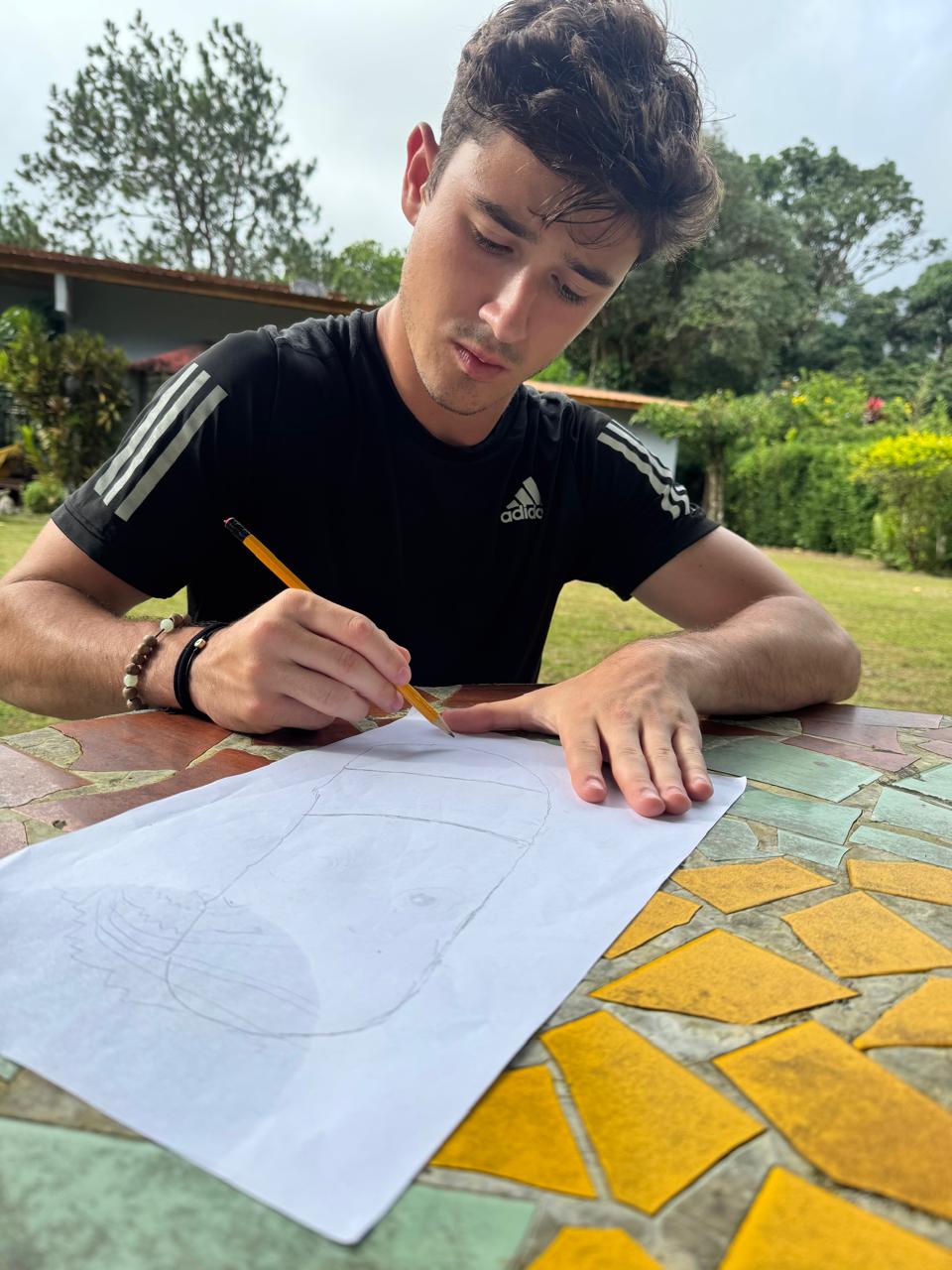
Weigh materials, run wear tests, and document the process with consistent quality checks.
3–6 months
Produce limited batches, improve finish, and validate comfort with feedback cycles.
6–12 months
Work with local partners for sourcing, production, and impact reporting.
If you want to partner, support, or share feedback, reach out.